







Name: Isael (Cory) McCall
Age: 42
Chapter: Seattle
Years w/ BMR: 6
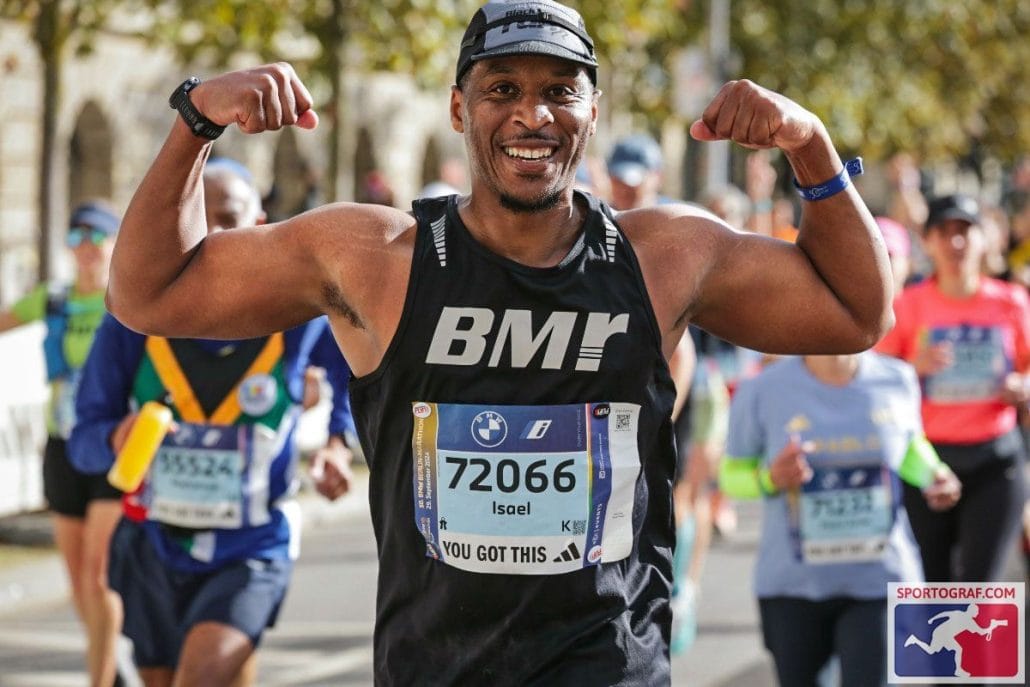
· What originally drew you to Black Men Run, and what motivated you to step into a leadership role with the Seattle chapter?
I was originally drawn to Black Men Run because of their presence. When I first saw the group, I saw men who reminded me of my father, my uncles, and my cousins—men who looked like me, leading other Black men on a journey toward better health. There was something powerful and grounding about that. It wasn’t just about running; it was about community, representation, and seeing Black men take ownership of their physical and mental well‑being.
What motivated me to step into a leadership role was the opportunity to help strengthen and expand that impact. (Plus CMO asked me. Lol) I wanted to help create a space where Black men could show up authentically, challenge themselves, support one another, and build habits that extend far beyond the miles we run. Leadership felt like the natural next step—not for recognition, but to help carry forward a mission that had already given me so much.
· During your time as Vice-Captain, what leadership lesson had the biggest impact on how you showed up for the brothers in your chapter?
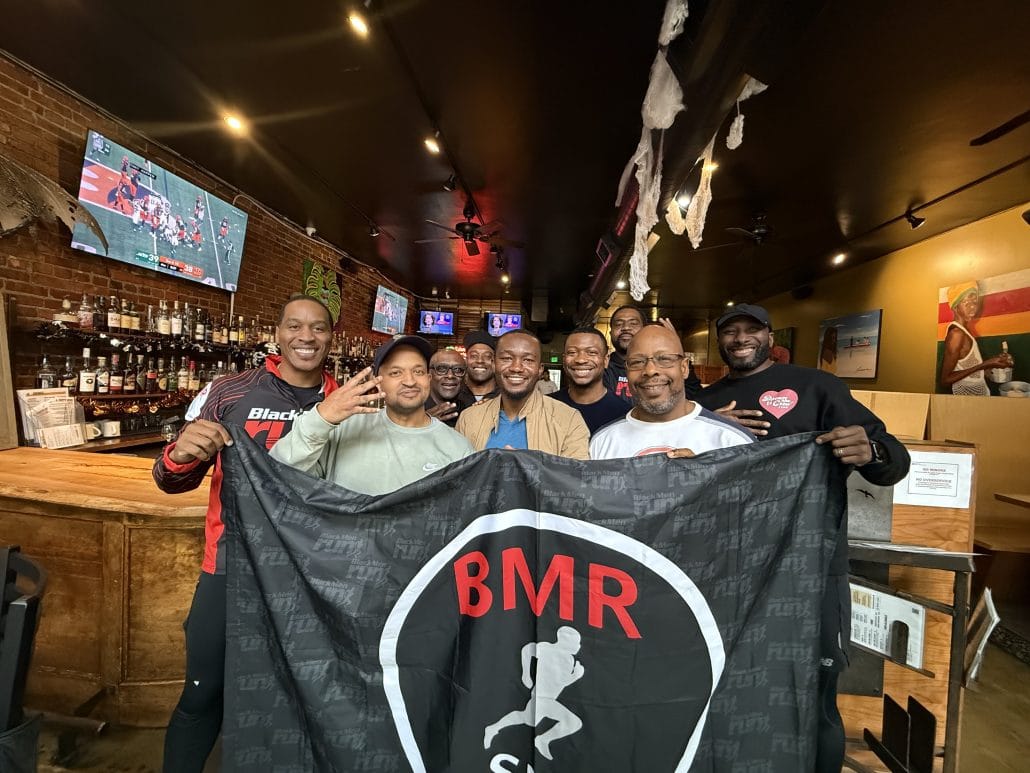
Wow, where do I start? As a former Army enlisted man and later a warrant officer, I’m no stranger to being in charge. But stepping into leadership within Black Men Run taught me something the military never quite could: that presence matters more than perfection.
In the Army, leadership is often about precision, decisiveness, and getting the mission done. But in BMR, the “mission” looks different. It’s emotional. It’s personal. It’s community-based. I realized early on that the brothers didn’t need me to lead from a position of authority—they needed me to lead from a place of authenticity.
The biggest lesson was understanding the power of simply showing up. Some brothers didn’t come out for the miles; they came out to be seen, to feel supported, or to get through a tough week. That meant my job wasn’t to command—it was to connect. It meant listening more deeply, checking in more intentionally, and creating a space where every man felt valued and welcomed.
That shift—from directive leadership to empathetic leadership—changed everything about how I showed up. It reminded me that consistency, compassion, and genuine presence can have a bigger impact than any perfectly executed plan. In this role, leadership wasn’t about rank; it was about relationships.
· What moments or experiences best capture what the Seattle chapter meant to you personally?
There are so many, but the moment that stands out the most is when BMR Seattle hosted a national meet‑up. I wasn’t a Vice‑Captain yet, but I was involved in a lot of the behind‑the‑scenes work. Seeing brothers travel from all over the country just to be in community, uplift one another, and share space together was truly inspiring. I don’t think I had ever been around that many Black men in my life at a running event—let alone watching all of us take on a half marathon on Mt. Rainier. If you say it out loud, it almost sounds unreal: dozens of Black men gathered at the base of one of the most iconic mountains in the Pacific Northwest, not for a party or a conference, but to run, to connect, and to pour into one another. But it really happened, and being part of that moment changed me.
That experience captured the true essence of what the Seattle chapter meant to me: brotherhood, purpose, and the power of showing up for each other in ways that go far beyond the miles.
· How did balancing leadership responsibilities with your own running and personal life shape your approach to self-care and sustainability?
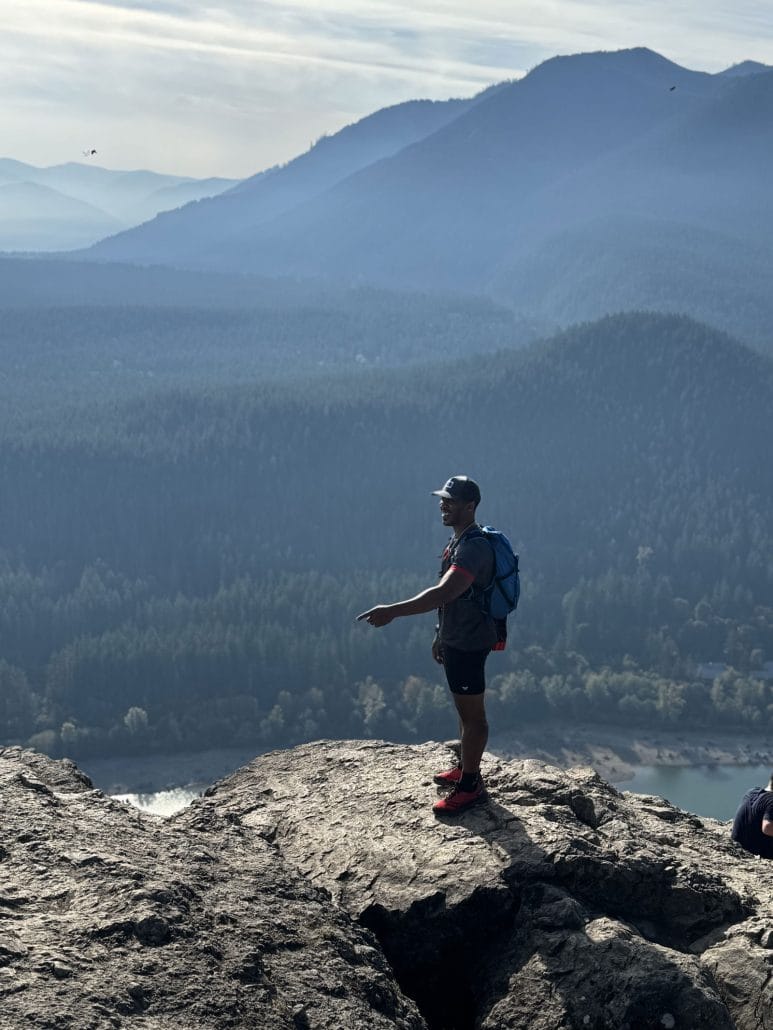
As a single father, I’ve learned that boundaries and self‑care aren’t optional—they’re essential. There were weeks when I couldn’t make it to group runs because my son came first, and I never apologized for that. But even when I couldn’t be there physically, I stayed accountable to myself. On the weeks I missed group runs, I found time to run on my own, or I connected with nearby run clubs so I could still move my body and stay in community.
That rhythm taught me something important: leadership doesn’t mean sacrificing yourself. It means knowing when to step forward and when to step back. I realized that to truly support and pour into others, I had to make sure I was showing up for myself first—mentally, physically, and emotionally.
Balancing fatherhood, running, and leadership reshaped my view of sustainability. It taught me that self-care isn’t a luxury; it’s part of the job.
· Looking back, what are you most proud of from your time serving the Seattle chapter?
Without question, I’m most proud of witnessing Brother Les’s journey. Every time he shares his testimony, I can’t help but smile. He’s the eldest member of our chapter and has been running with us since the very beginning. To watch his progression—from his first 10K, to his first half marathon, to surviving a heart attack, to eventually hearing his doctor take him off medications—has been nothing short of incredible.
What moves me most is that he always says Black Men Run saved his life. And while that means a lot, what makes me smile even bigger is knowing he put in the work. We just gave him the community, the support, and the brotherhood to help him keep going. Seeing a Black man prioritize his health, push past barriers, and enjoy the fruits of his labor—while being surrounded by brothers cheering him on—captures everything I’m proud of from my time with the Seattle chapter.
Moments like that remind me why this movement matters.
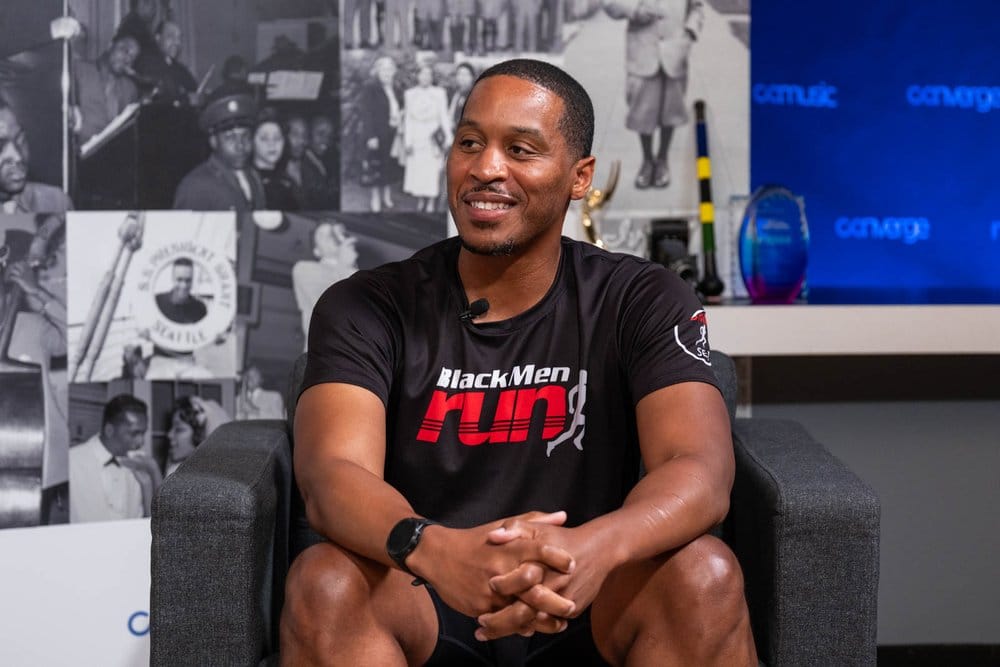
· How did being part of BMR influence your perspective on community, accountability, and brotherhood?
Being part of BMR taught me that community requires effort and intentionality. When I first moved to Seattle, I realized I didn’t really have a community of my own—so I had to create one. BMR became that space for me, but it also showed me that community isn’t something you just join; it’s something you build, contribute to, and protect.
Wearing the BMR logo carries weight. People know who we are, and I take pride in representing the organization well. That sense of visibility naturally builds accountability—not just for me, but for how we show up as a collective. If one brother is perceived a certain way, it reflects on all of us. That awareness made me more intentional about my actions and more committed to holding the brotherhood to a high standard.
I also learned that “community” doesn’t look the same for everyone. Some folks want a deep connection and shared responsibility. Others want to benefit from the community without contributing or being accountable. As a leader, I had to develop discernment—an understanding of how to support everyone while still moving the brotherhood and the mission forward.
BMR strengthened my belief that brotherhood is built on shared effort, mutual accountability, and the willingness to show up—not just for the miles, but for each other.
· What challenges did you face as a leader, and how did those moments help you grow beyond running?
This is a tough one. I wouldn’t necessarily call them “challenges,” but there were definitely situations I hadn’t encountered before. Whether it was collaborating with other run clubs, navigating relationships with corporate sponsors, or managing expectations from people outside the organization, I had to quickly learn how to prioritize the mission of the brotherhood above everything else.
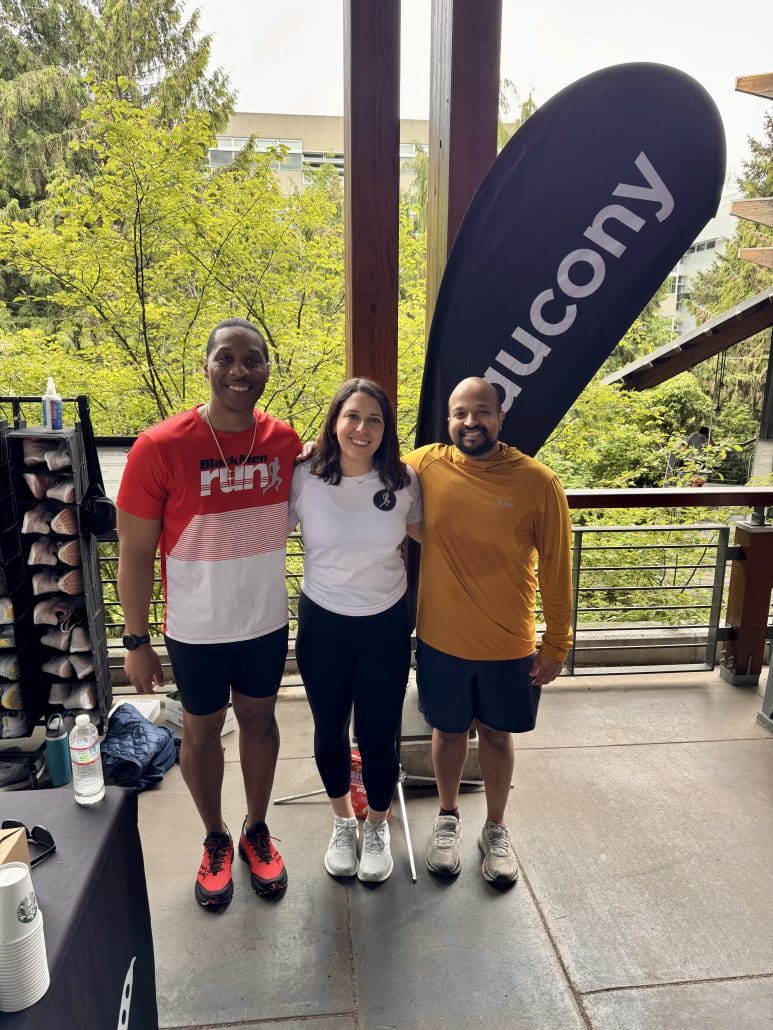
One of the biggest lessons was learning how to decipher between people who genuinely wanted to support the movement and those who were more interested in clout or self‑serving opportunities. That required patience, discernment, and a willingness to stand firm in what BMR represents.
Those moments helped me grow far beyond running. I learned how to stay patient under pressure, how to be firm but tactful in my communication, and how to lead with integrity even when the situation felt uncomfortable. Most importantly, it taught me that leadership is service. You’re not there for shine—you’re there to protect the mission, elevate the brothers, and make decisions that move the community forward
· Since stepping away from the Vice-Captain role, how has your relationship with running and fitness evolved?
Not much has changed—I still run regularly, and I’ve continued my 5 AM strength‑training sessions because that routine keeps me grounded. Stepping away from the Vice‑Captain role didn’t pull me away from the lifestyle; if anything, it allowed me to reconnect with running purely for myself.
I’ve also stayed intentional about setting goals. I’ve got two races on the calendar this year: the BMR Seattle Trail Fest 27K and the BMR National Meet‑Up in Charlotte. Training for those keeps me focused and gives me something to look forward to. So even though I’m no longer in a leadership position, running and fitness are still core parts of who I am—they’ve just shifted into a space where I can enjoy them at my own pace and on my own terms.
· What advice would you give to current or future BMR leaders about serving with purpose while staying true to themselves?
The late Nipsey Hussle said, “The highest human act is to inspire.” I carry that with me, and it’s the same message I’d give to any current or future BMR leader: just show up and be yourself.
You never know who’s watching, who’s listening, or who needs the encouragement that comes simply from seeing you be authentic. People can feel genuine energy—and they can spot a phony from a mile away. Leadership isn’t about putting on a persona or trying to win people over. Don’t worry about being liked; the right people will find you and connect with you for who you truly are.
Serve with intention. Be kind. Respect others. Hold yourself accountable. And most importantly, stay grounded in who you are. If you do that, everything else will fall into place, and your leadership will have a lasting impact on the brotherhood and the movement.
· When you think about your legacy within Black Men Run, what do you hope people remember most about your time and impact?
I’m still writing my legacy with the brotherhood. This journey isn’t over for me—not even close. But if there’s one thing I hope people remember, it’s that I showed up with authenticity, heart, and the intention to make the brotherhood a little stronger than I found it.
I hope they remember the energy I brought, the support I offered, the accountability I held myself to, and the care I showed for the mission. And honestly? When I leave this earth, I’m pretty sure there’ll be a BMR shirt on my casket—because this movement is woven into who I am.
More than miles or titles, I want my legacy to reflect how I made people feel: seen, welcomed, inspired, and part of something bigger than themselves.